描述
杜康生 | 奧迪室內設計團隊
本案位於上海核心地段,延續石庫門百年歷史與海派風華。團隊以融合與延續為題,保留中西交融的文化風貌,使傳統於現代藝術中綻放新姿。玄關以拱形結構引導動線,魚肚白大理石立面及黑白拼花地坪相互映襯,結合天花抽槽描繪出色彩層序,構築優雅的迎賓節奏與歸途儀式。懸挑樓梯下,水滴吊燈傾瀉柔光,光色相依和鳴,將生活幻化一曲浪漫樂章。
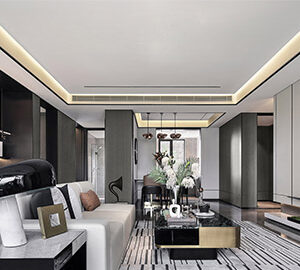
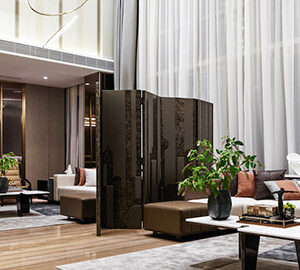
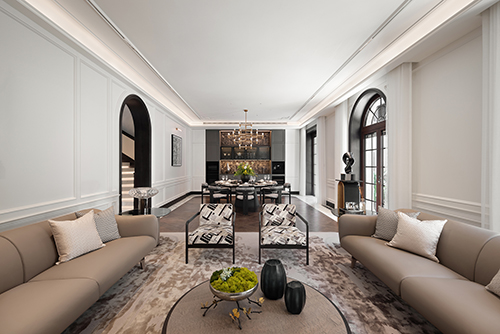
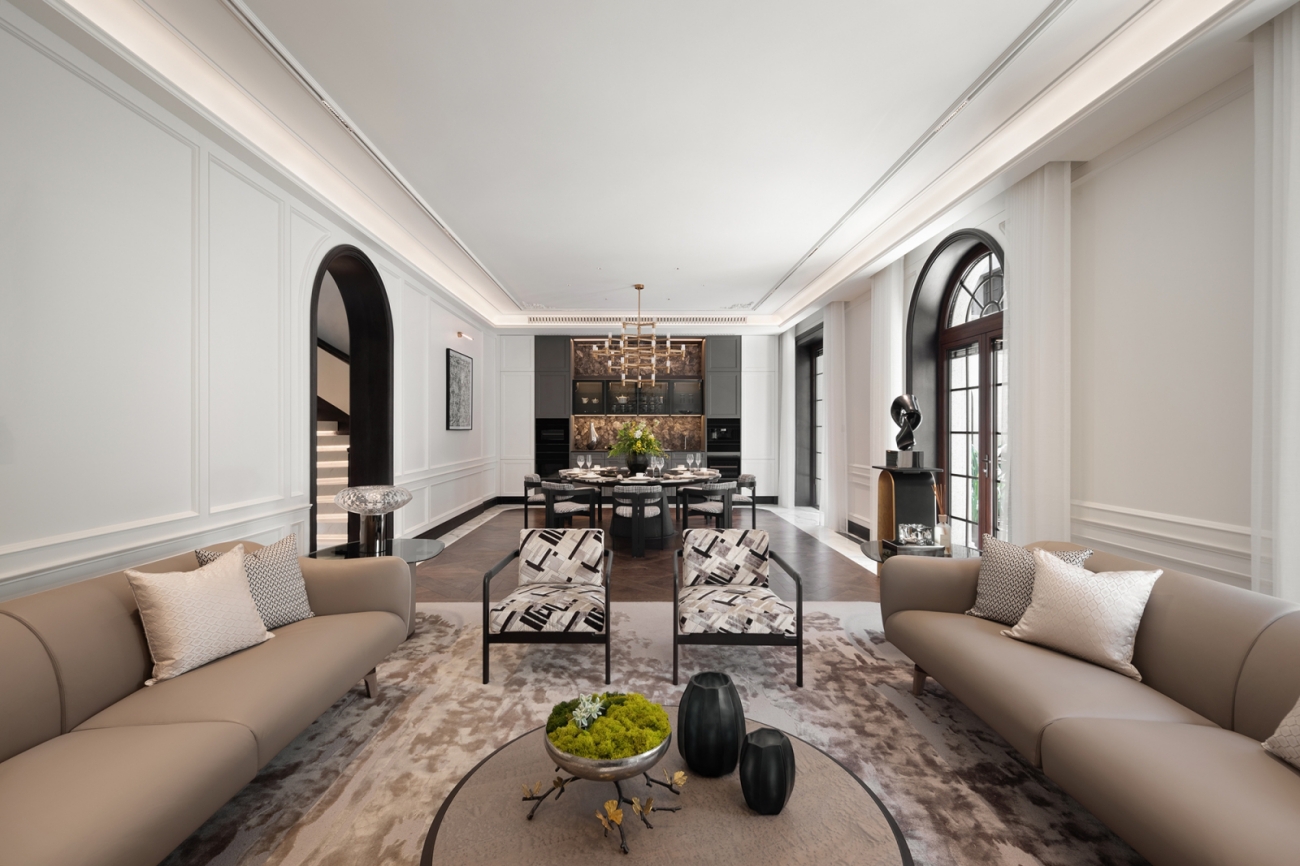
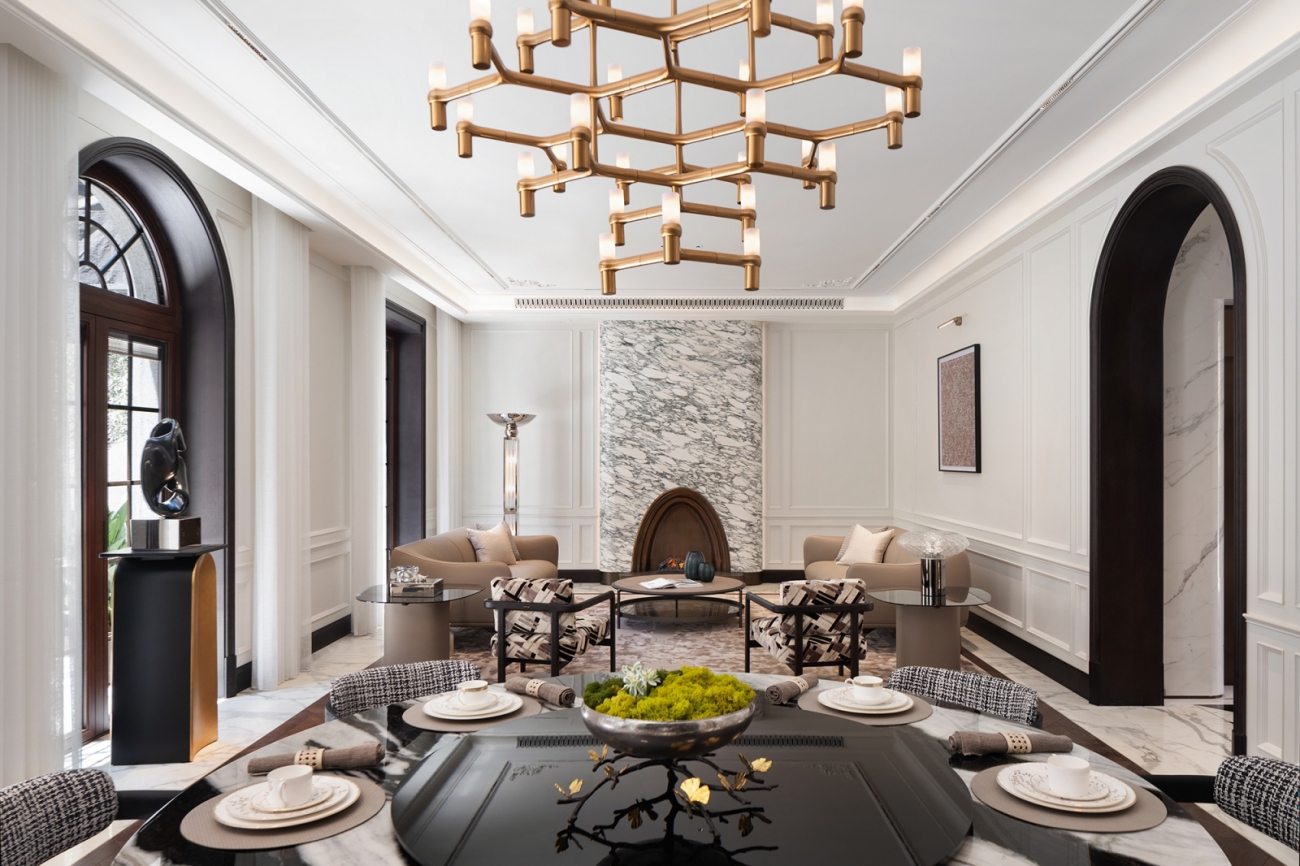
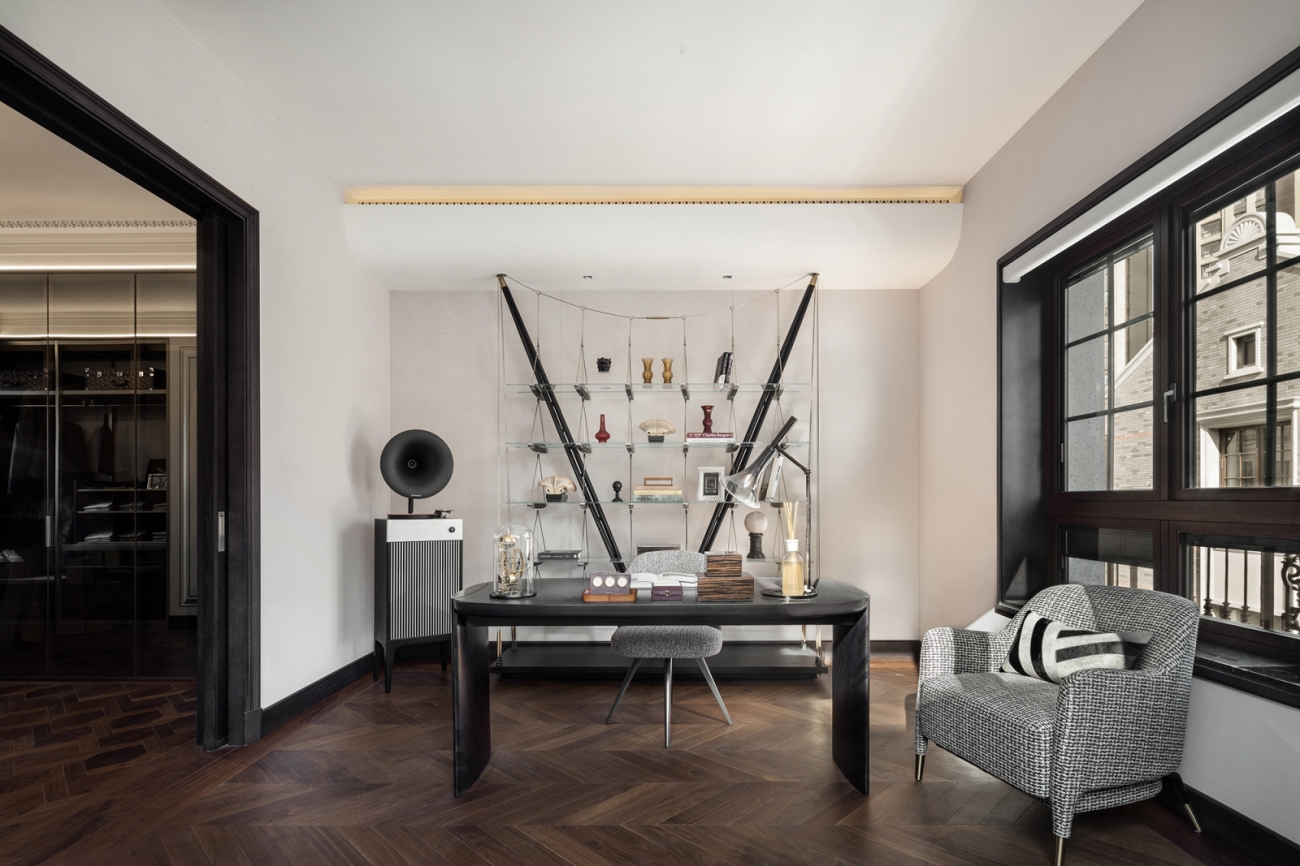
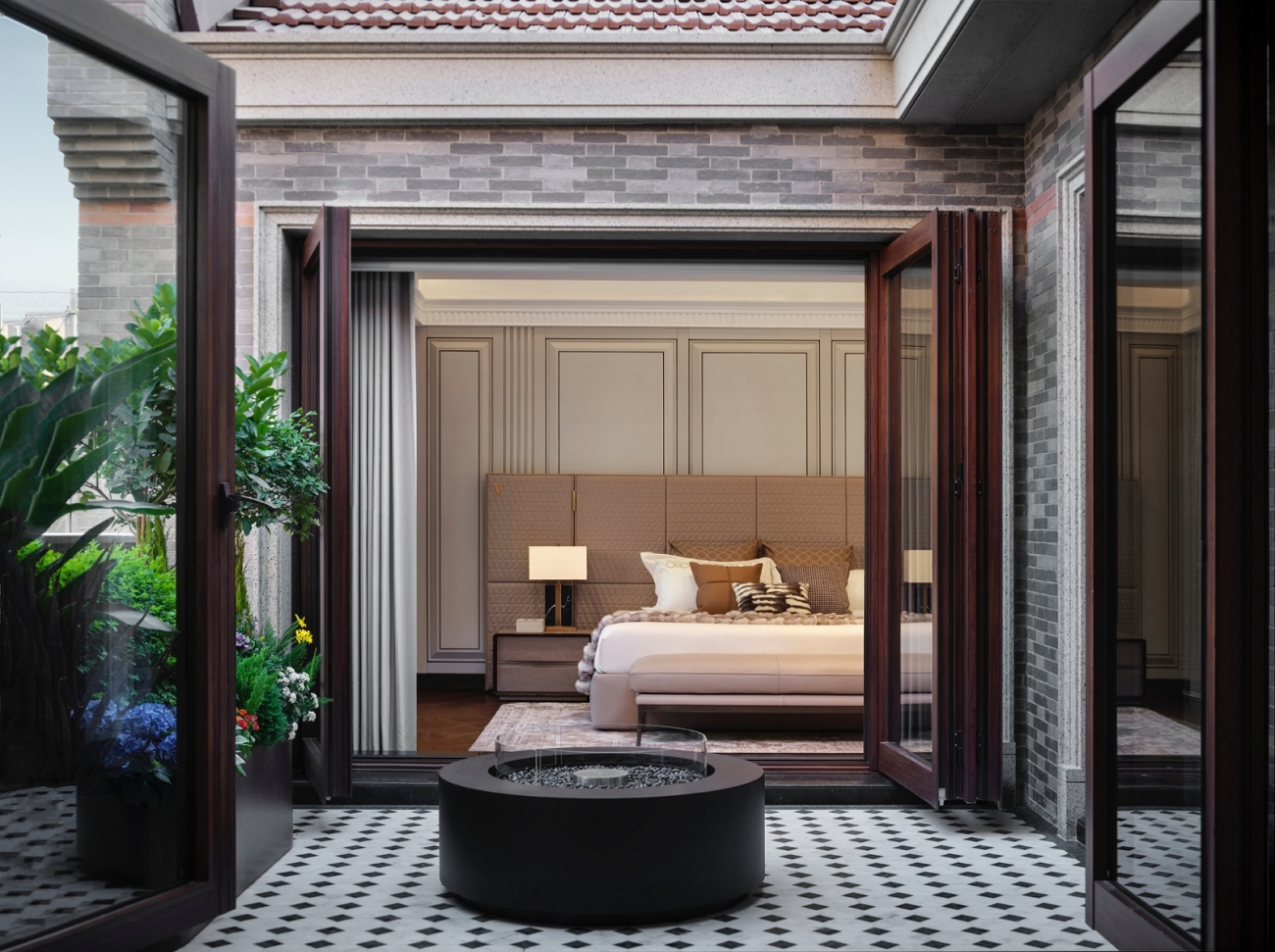
設計以旋律與藝術為構想,將日常轉化成空間曲調。客餐廳延續整體調性,以法式米白線板勾勒立面,結合凡爾賽木拼花地坪與石材肌理,營造古典與現代交融的場域韻律。起居室懸掛原創作品,運用藝術裝置串聯時光記憶,使空間成為情感延伸。臥室則採新法國海派風格,柔化空間色調和比例,於光影轉折間流露溫婉與詩意。
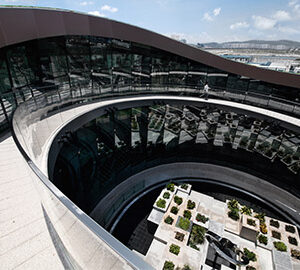
空間以弧形語彙貫穿全域,藉流線結構消弭空間壓迫感,形構澄澈通透的場域秩序。立面線條延隨視線延展,幾何拼木與石材交錯纏繞,映現層次分明的場域節奏。懸挑樓梯於光影推移間成為視覺焦點,懸浮而上的曲線姿態,回應棲居的藝術氣質。
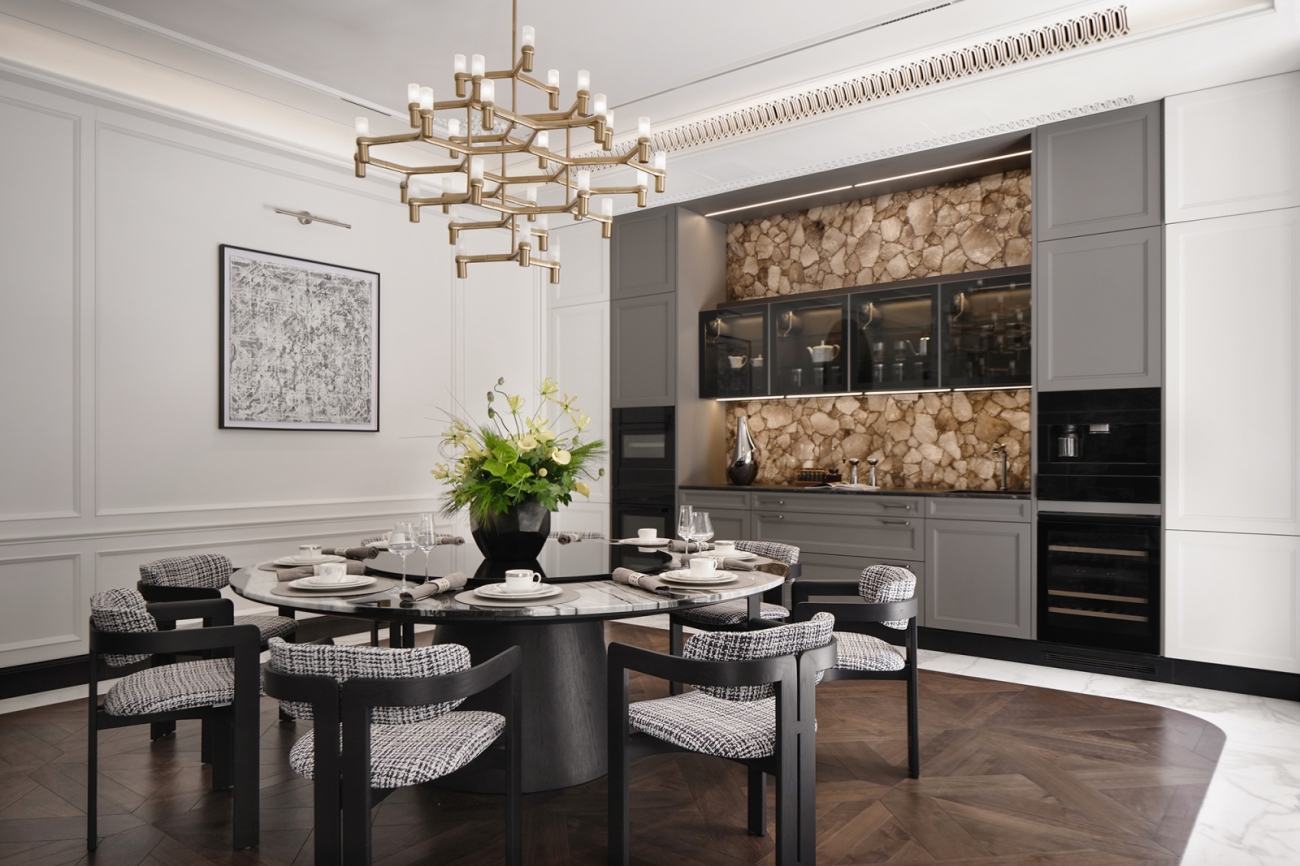
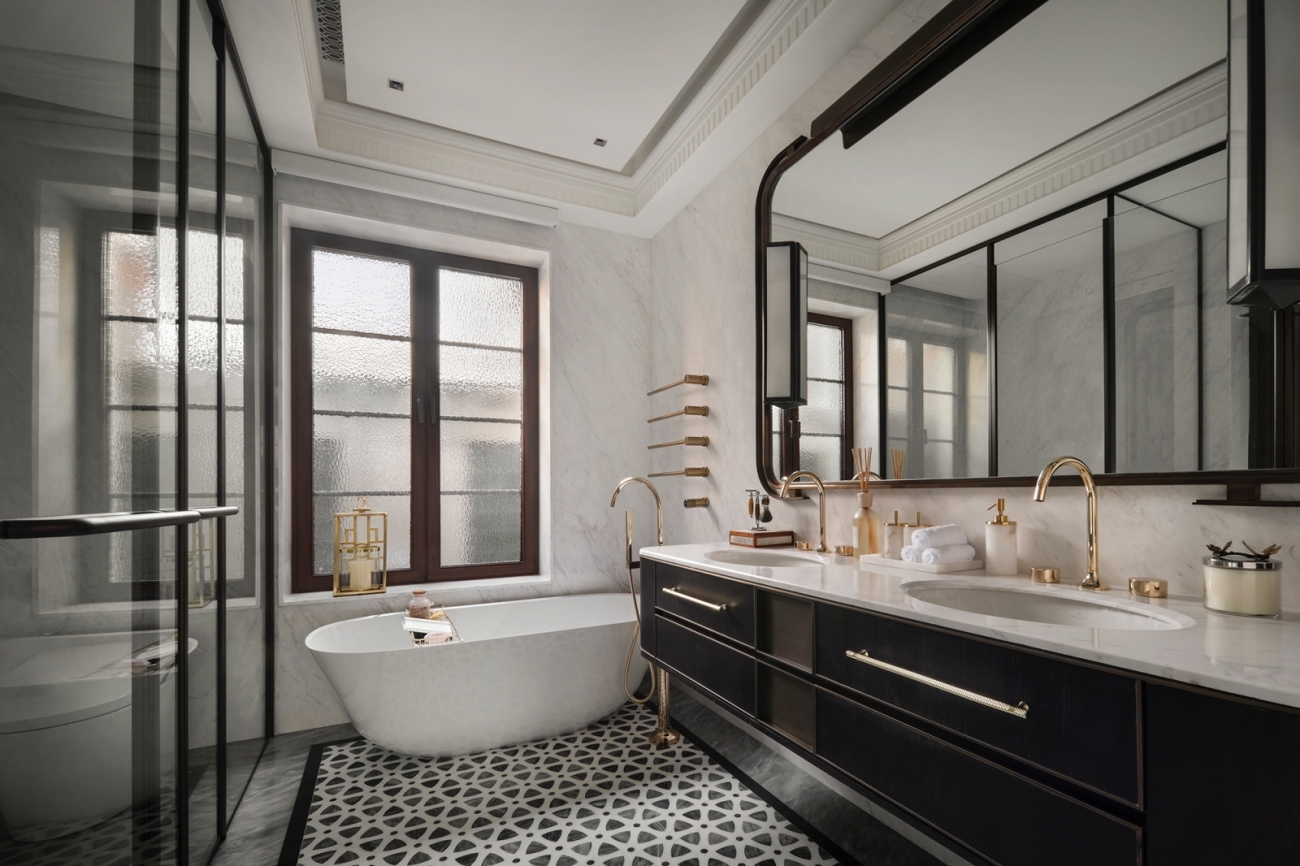
設計以生活機能為核心,藉精準動線串聯多重場域。廚房採德國櫥櫃系統,框形門板呼應屋頂弧線,花紋石材與玻璃櫥櫃相襯成景,於細膩規劃中凝練海派文化的雅致與底蘊。衛浴融入「綠房子」概念,於潔白基調裡綻放盎然生機。不僅如此,地下一層整合閱讀區、酒窖與雪茄室,藉隱藏式動線彼此銜接,兼顧社交流動與私密氛圍。
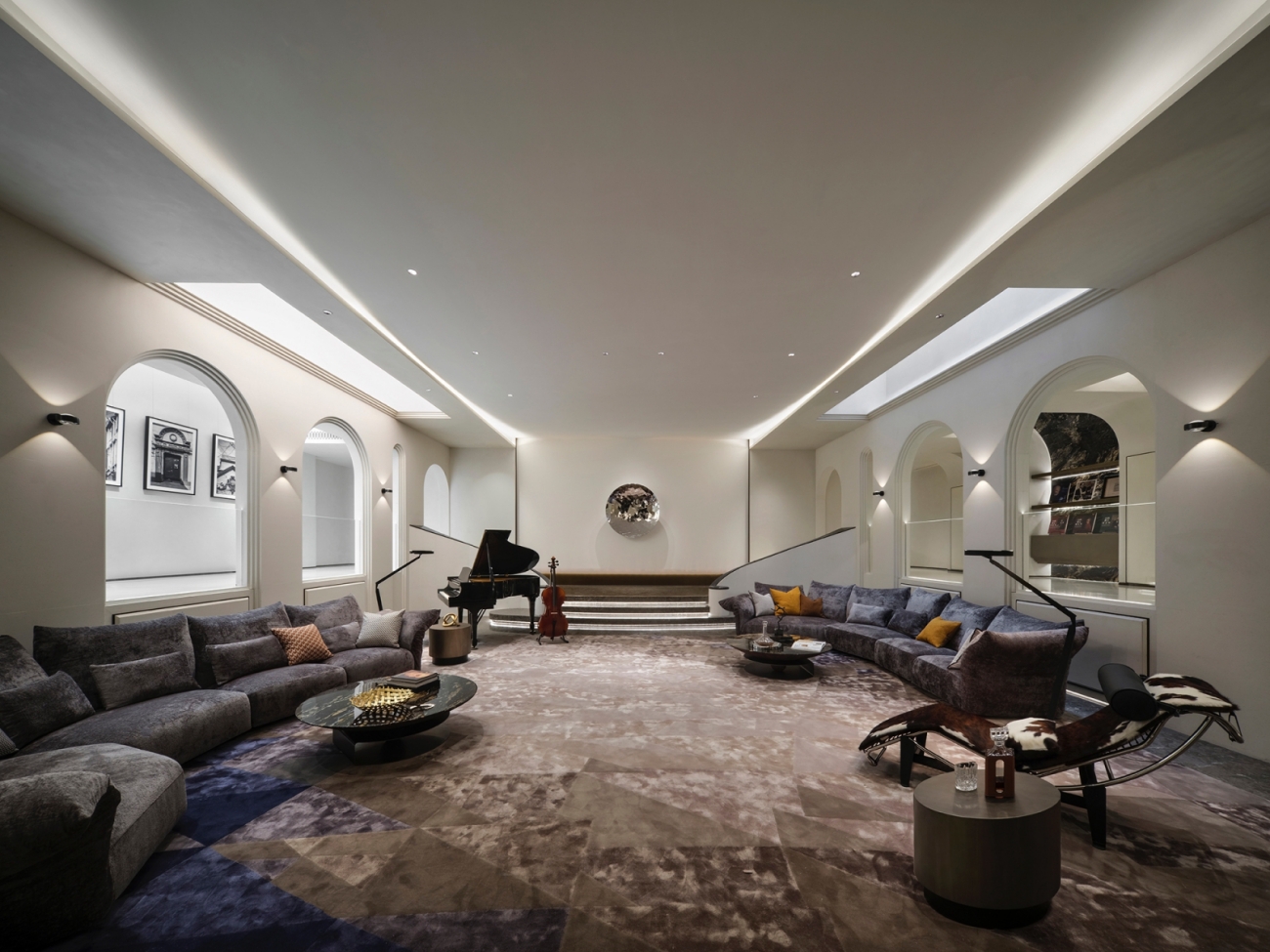
本案以音樂章節為靈感,透過多重敘事鋪陳生活節奏。團隊將空間融入劇場語彙,串聯社交、收藏與藝術展示,使日常成為流動的藝術場景。同時配置多功能安全屋,以防火、防煙、防盜機能回應現代居所的深層需求,於人文與科技並生之境,凝鍊出當代生活的從容與優雅。
團隊延續石庫門的歷史肌理,讓文化於設計語境中再生。整體以節能工法結合自然採光與通風策略,實踐環境永續精神。設計觀點由人本關懷轉向至地球為核心,將生態平衡與資源循環納入思維,使建築在氣候、光線與氣流間維持共生秩序。此外,海派精神則融匯於細節比例與材質語彙中,映現專屬上海的歷史溫度與文化底蘊。
Situated in Shanghai’s core, this project perpetuates Shikumen legacy and Haipai culture—the city’s cosmopolitan East-West fusion. The design embraces continuity, preserving this cultural landscape while allowing tradition to bloom within contemporary artistry. The entrance employs arched structures orchestrating circulation, where jade marble and monochrome mosaic flooring echo one another, while ceiling recesses articulate chromatic layers—composing elegant welcoming rhythm. Beneath the cantilevered staircase, droplet chandeliers cascade luminescence, light and color harmonizing in accord, transforming dwelling into romantic symphony.
The design conceptualizes melody and artistry, transforming daily living into spatial composition. The living and dining areas perpetuate the overall tonality, employing French ivory moldings to articulate facades, combined with Versailles parquet and stone textures, cultivating a realm where classical and contemporary rhythms converge. The lounge displays original artworks, weaving artistic installations to thread temporal memories, allowing space to become emotional extension. The bedroom embraces New French Haipai aesthetic, softening chromatic tones and proportions, revealing warmth and poetic grace through light-shadow interplay.
The space orchestrates arched vocabulary throughout, employing streamlined structures to dissolve spatial compression, composing a luminous and transparent spatial order. Facade lines extend with sight trajectories, where geometric parquet and stone interweave in intricate embrace, manifesting distinctly layered spatial rhythm. The cantilevered staircase emerges as visual focal point amid shifting light and shadow, its ascending curved gesture suspended in grace, echoing the artistic temperament of dwelling.
The design centers on functional living, employing precise circulation to connect multiple domains. The kitchen incorporates German cabinetry systems, where frame-style doors echo ceiling arcs, while veined stone and glass cabinets compose scenic interplay, distilling Haipai culture’s elegance and depth through meticulous planning. The bathroom embraces the “green room” concept, allowing vibrant vitality to bloom within pristine palette. Beyond these, the lower level integrates reading area, wine cellar, and cigar room, interconnected through concealed circulation that balances social flow with intimate atmosphere.
This project draws inspiration from musical movements, orchestrating life’s rhythm through multilayered narratives. The team weaves theatrical vocabulary into spatial composition, connecting social gathering, collection, and artistic display, transforming daily living into fluid artistic scenarios. Simultaneously, a multifunctional safe room responds to contemporary dwelling’s profound needs through fire-resistant, smoke-proof, and security features. Within the realm where humanity and technology coexist, the design distills contemporary life’s composure and elegance.
The design team perpetuates Shikumen’s historical texture, allowing culture to regenerate within design vocabulary. The approach integrates energy-efficient methodologies with natural lighting and ventilation strategies, manifesting environmental sustainability. The design perspective transitions from human-centric to earth-centered philosophy, incorporating ecological balance and resource circulation, allowing architecture to maintain symbiotic order among climate, light, and airflow. Haipai spirit infuses detail proportions and material vocabulary, reflecting Shanghai’s distinctive historical warmth and cultural depth.
國際獎項報名代辦洽詢專線:02-2571-2565