描述
劉榮祿國際空間設計-劉榮祿
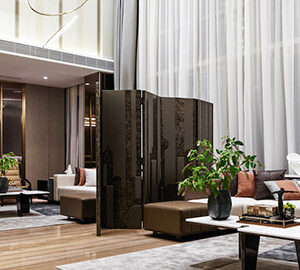
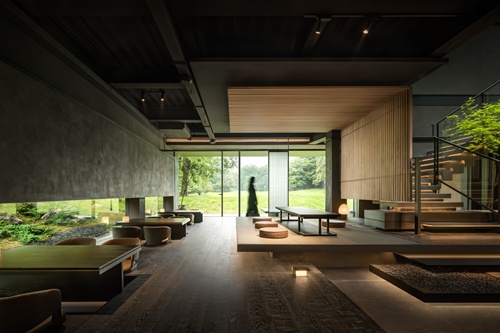
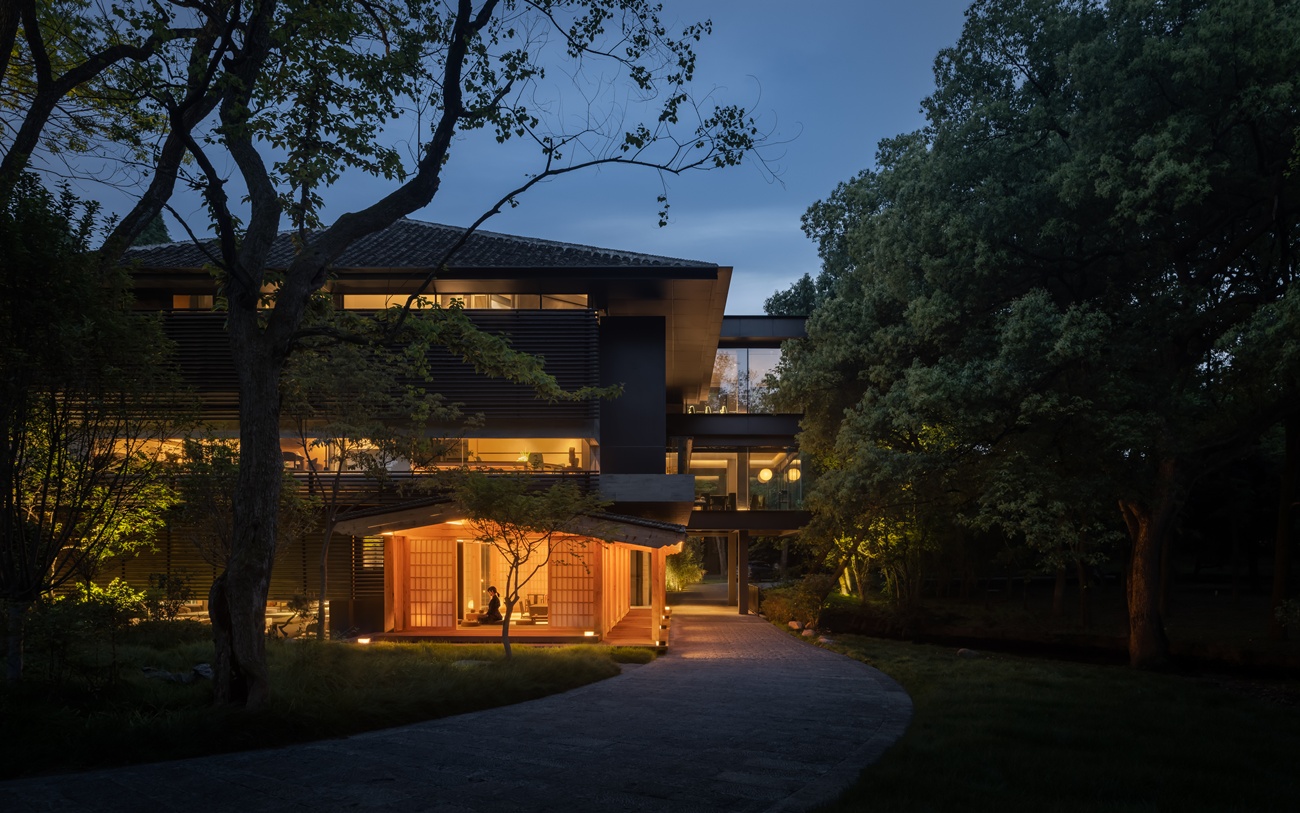
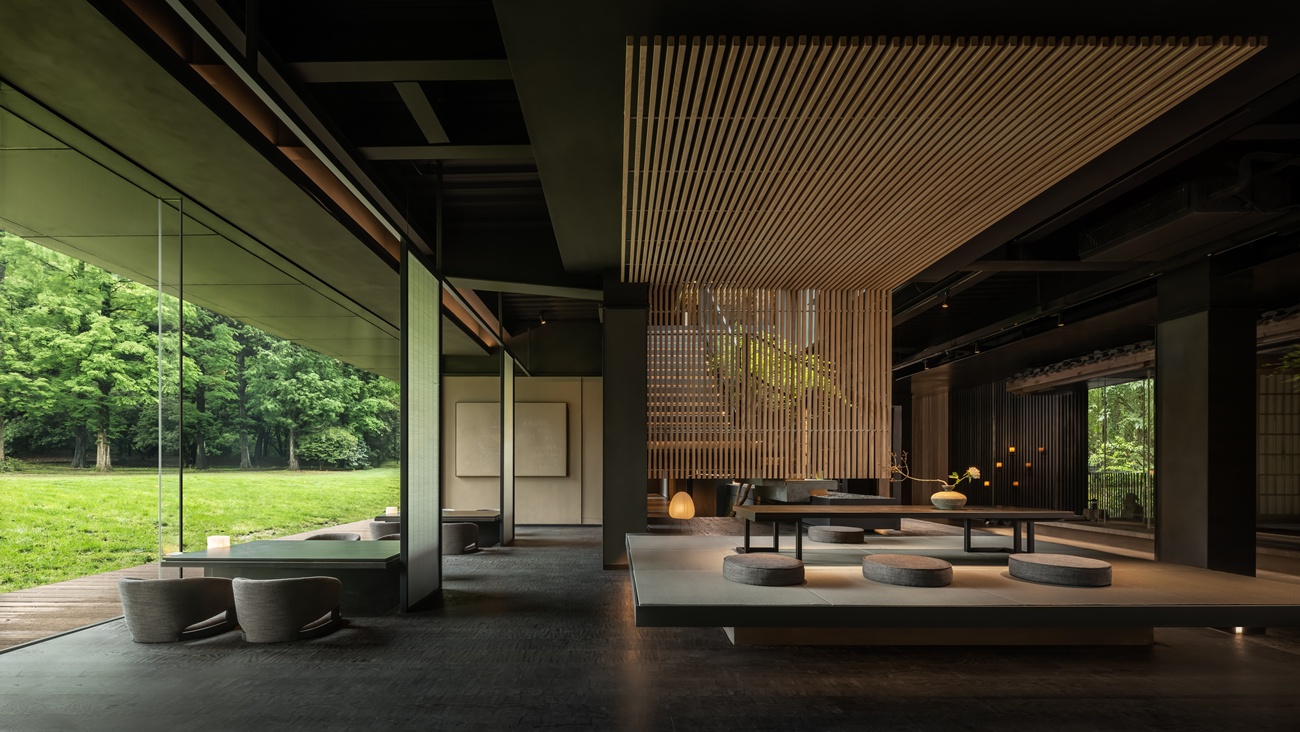
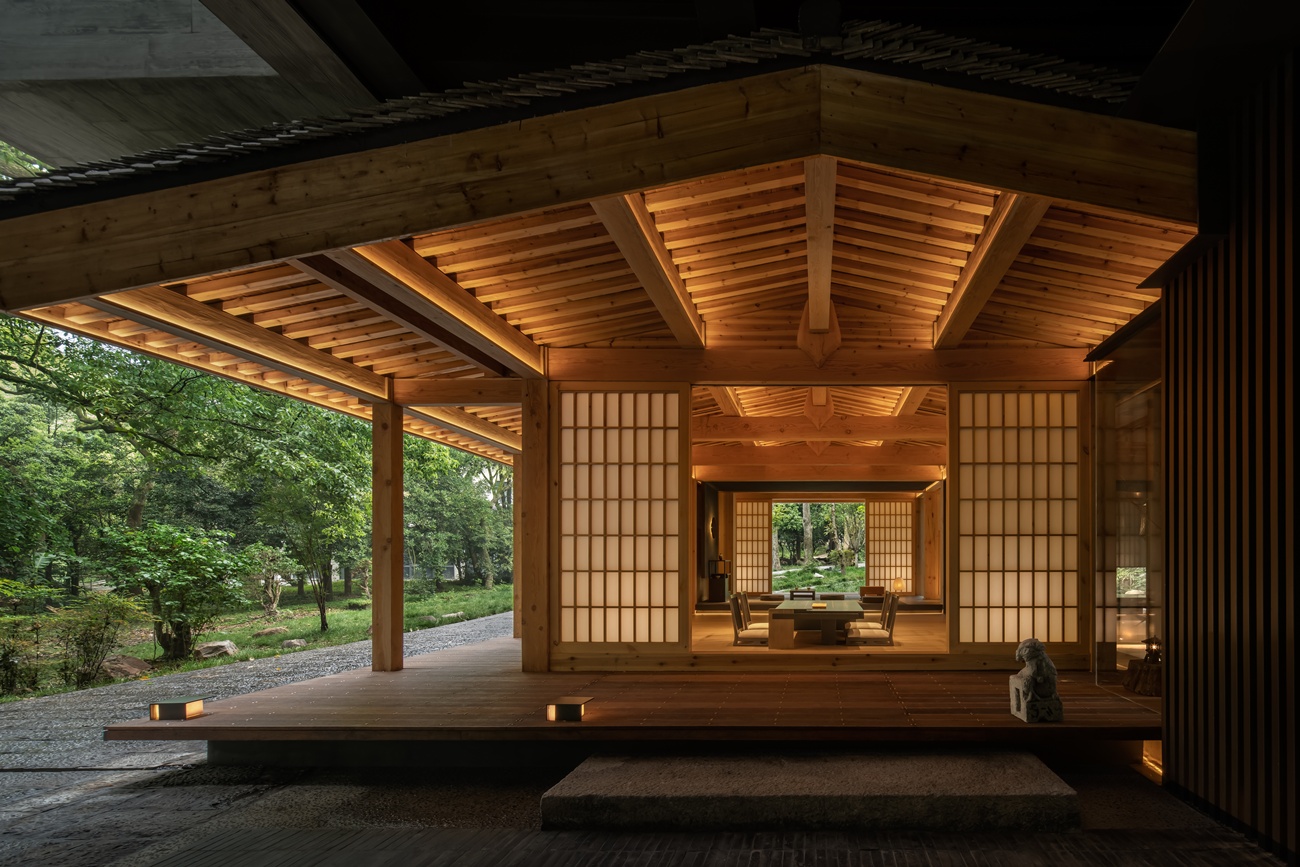
如院餐廳建築占地面積約500平方米,整體建築體量有1580平方米。項目位于浙江省杭州市植物園內,改造前是兩層磚瓦結構辦公用樓,改造後爲兩層半,用于高級杭幫菜餐廳經營。 建築設計上,設計師劉榮祿以現代生態爲原則,幷將南宋時期常見的亭臺樓閣元素,以小品形式嵌入到當代建築裏,古建內部采用東方傳統工藝——榫卯結構,現代感中保留了一份古韵,而在冰冷現代建築中加入的這一抹木色,其質樸與溫潤也是禪宗美學的一種體現。 建築正面,設計師做了兩個外延玻璃盒子,懸浮在水面之上,營造水上用餐的極致感受。建築背面,橫綫條的應用,讓整個建築體視覺變矮,以謙卑十足的態度對話整個自然。室內用綫條去做尺度的改變,比如U形水吧台的一面,檯面筆直延伸至樓梯部分,幻化爲其中的一部臺階,這條長長的直綫條,無形中拉伸了空間的寬度,更顯寬闊。 除了建築和室內的一些設計按架構外,設計師希望有一些故事性的體現,所以就提取植物園一個特有的鳥類——紅嘴藍鵲,來作爲空間游走的裝置,也是代表著客人從一樓到二樓的一種行爲動綫,讓空間變得更豐富。 天井墻面用建築的手法做瞭解構處理,黑色不銹鋼、透明玻璃和砂礫感墻體巧妙組合,雕塑感十足。而整個天井的造型,參考了江南建築的院落,抬頭見天,低頭見地。
Covering a building footprint of approximately 500 square meters, Ruyuan Restaurant boasts a total construction area of 1,580 square meters. Nestled within Hangzhou Botanical Garden in Zhejiang Province, the venue was originally a two-storey brick-and-tile office building before renovation. It has now been rebuilt into a two-and-a-half-storey space operating as an upscale Hangzhou-style cuisine restaurant.
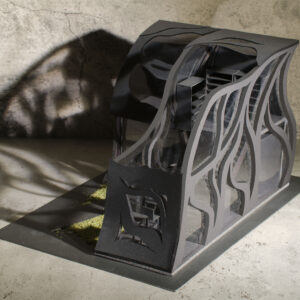
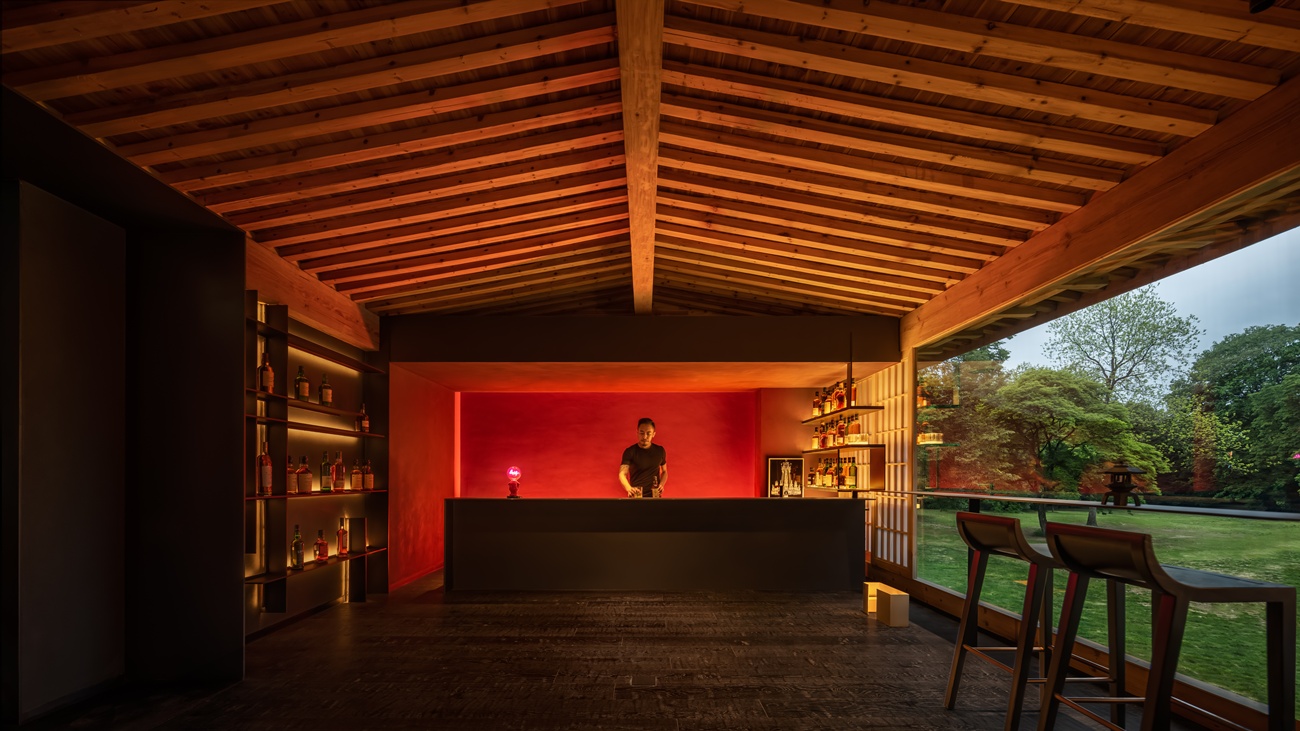
Conceived by designer, the architectural design adheres to modern ecological concepts, integrating pavilions, terraces and towers—classic architectural elements prevalent in the Southern Song Dynasty—into contemporary architecture in the form of decorative installations. Traditional Chinese mortise-and-tenon joinery is adopted inside the ancient-style structures, infusing antique charm into modern aesthetics. The warm wooden tones embedded in sleek modern architecture embody the simplicity and gentleness of Zen aesthetics.
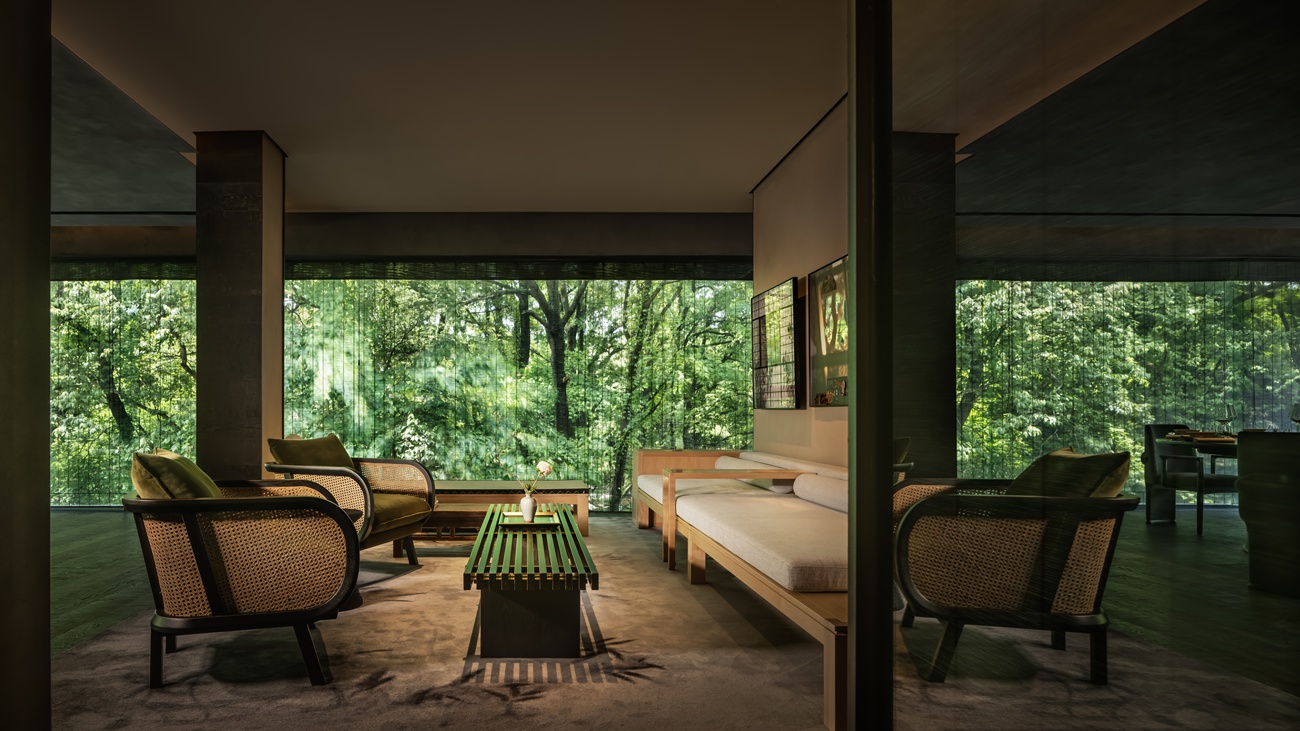
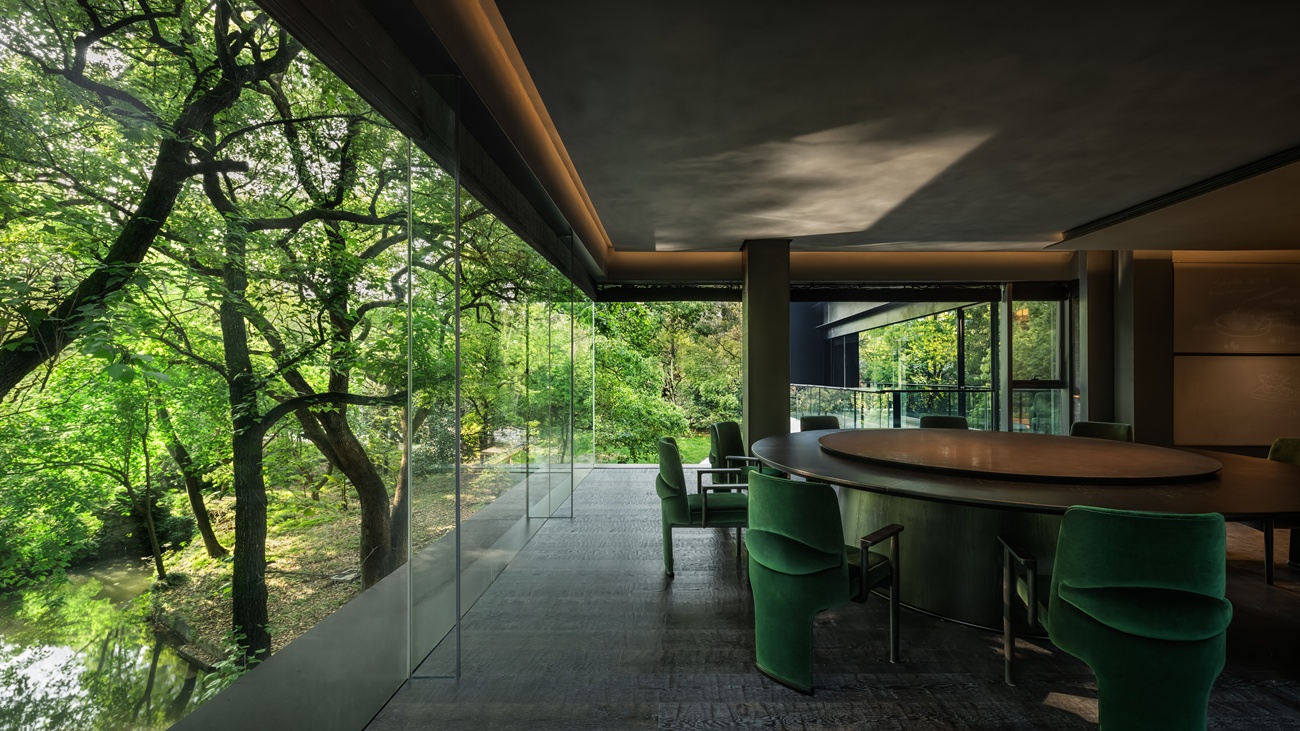
On the front facade, two extended glass cuboids are suspended over water, offering guests an unparalleled dining experience above the water surface. Horizontal linear designs are applied on the rear elevation to visually lower the building volume, enabling it to blend humbly into the natural surroundings.
Interior linear layouts redefine spatial proportions. For instance, the countertop of the U-shaped water bar stretches straight toward the staircase and seamlessly transitions into steps. This uninterrupted long line visually widens the space and creates a more expansive ambiance.
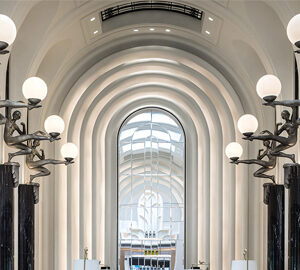
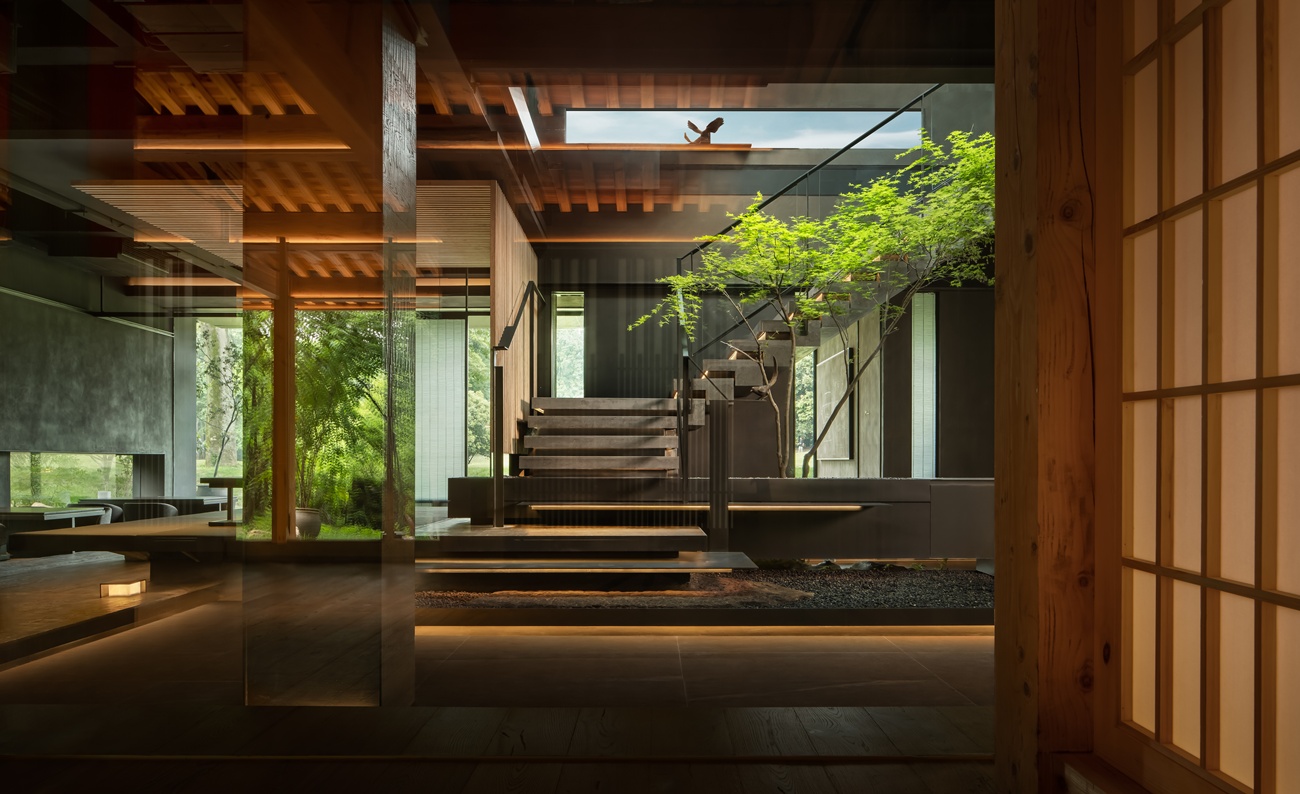
Beyond architectural and interior structural designs, the designer sought to inject narrative charm into the space. The red-billed blue magpie, a bird species unique to Hangzhou Botanical Garden, is adopted as a flowing artistic installation. It also symbolizes guests’ movement routes from the first floor to the second, enriching the spatial layering.
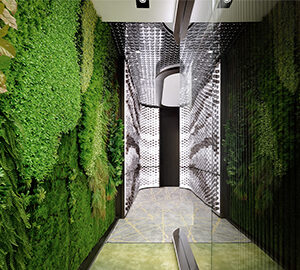
The patio walls feature deconstructive architectural design with an ingenious combination of black stainless steel, clear glass and grit-textured walls, presenting a strong sculptural sense. Shaped after traditional Jiangnan courtyard architecture, the patio allows visitors to gaze up at the sky and look down upon the ground, embodying the essence of classical Jiangnan courtyard aesthetics.
國際獎項報名代辦洽詢專線:02-2571-2565